
In recent years, urban landscapes across the globe have been dramatically reshaped by the emergence of high-rise developments. These towering structures not only redefine the skyline but also serve as a testament to architectural innovation and urban planning. Cities like New York, Dubai, and Shanghai have become synonymous with their iconic skyscrapers, which symbolize economic growth and modernity.
The construction of these high-rises often involves cutting-edge technology and sustainable practices, pushing the boundaries of what is possible in urban architecture. For instance, the One World Trade Center in New York City stands as a beacon of resilience and design excellence, incorporating advanced safety features and energy-efficient systems. The impact of high-rise developments extends beyond aesthetics; they play a crucial role in addressing urban density challenges.
As populations continue to swell in metropolitan areas, vertical living becomes an increasingly viable solution. High-rises can accommodate a significant number of residents or businesses within a smaller footprint, thereby preserving valuable land for parks and public spaces. Moreover, these developments often include mixed-use components, integrating residential, commercial, and recreational facilities.
This approach fosters vibrant communities where people can live, work, and play without the need for extensive commuting, ultimately enhancing the quality of urban life.
Key Takeaways
- New high-rise developments are transforming the skyline, adding a modern touch to the city’s architecture.
- Restoration and renovation projects are revitalizing historic neighborhoods, preserving the city’s rich heritage.
- Sustainable and eco-friendly real estate initiatives are promoting green living and reducing environmental impact.
- Upcoming residential complexes and gated communities are redefining luxury living with state-of-the-art amenities and services.
- Office spaces and business district developments are expanding commercial opportunities and driving economic growth.
- Transportation and connectivity improvements are upgrading the city’s infrastructure, enhancing accessibility and convenience for residents and businesses.
Revitalizing Historic Neighborhoods: Restoration and Renovation Projects
Historic neighborhoods are often the heart and soul of a city, rich with cultural heritage and architectural significance. However, many of these areas face challenges such as neglect, decay, and gentrification. Restoration and renovation projects are essential for preserving the unique character of these neighborhoods while also making them livable and economically viable.
Cities like New Orleans and Boston have undertaken extensive efforts to restore their historic districts, ensuring that the charm of yesteryear is not lost to modern development pressures. These projects often involve meticulous attention to detail, with architects and preservationists working together to maintain original features while upgrading infrastructure to meet contemporary standards. One notable example is the revitalization of the historic district in Savannah, Georgia.
The city has implemented a series of initiatives aimed at restoring its antebellum architecture while enhancing public spaces. This includes the renovation of historic homes into boutique hotels and restaurants that attract tourists while providing economic opportunities for local residents. Additionally, community engagement plays a vital role in these projects; local stakeholders are often involved in decision-making processes to ensure that developments reflect the needs and desires of current residents.
By striking a balance between preservation and modernization, cities can breathe new life into historic neighborhoods while honoring their past.
Green Living: Sustainable and Eco-friendly Real Estate Initiatives
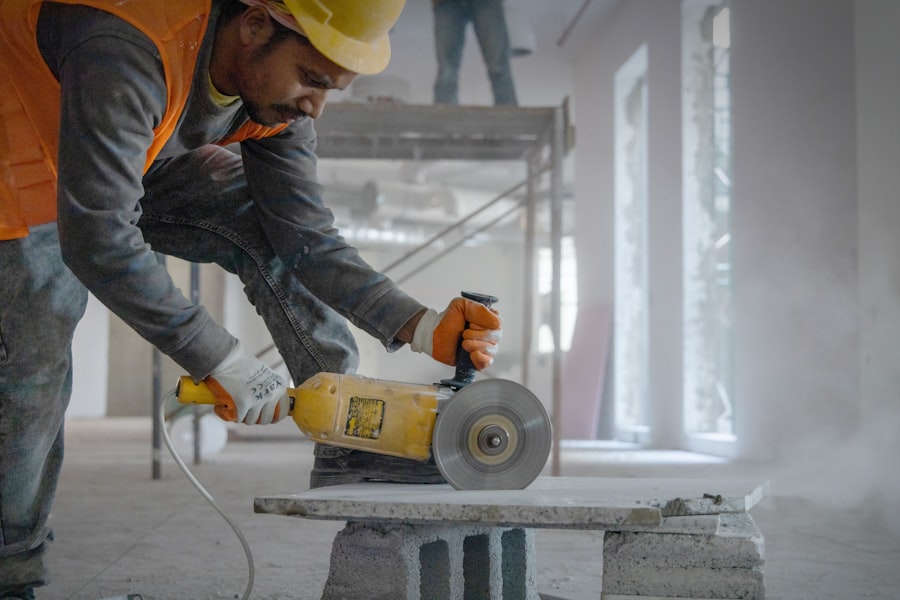
As environmental concerns become increasingly pressing, the real estate industry is responding with a wave of sustainable and eco-friendly initiatives. Green living is no longer just a trend; it has become a necessity for developers and homeowners alike. From energy-efficient buildings to sustainable materials, the focus on reducing carbon footprints is reshaping how properties are designed and constructed.
For instance, many new developments are now built to meet LEED (Leadership in Energy and Environmental Design) certification standards, which emphasize energy efficiency, water conservation, and sustainable site development. Innovative technologies are also playing a significant role in promoting green living. Smart home systems that optimize energy use, rainwater harvesting systems that reduce water consumption, and green roofs that provide insulation while supporting biodiversity are just a few examples of how modern real estate is evolving.
In cities like San Francisco, developers are increasingly incorporating these features into residential complexes to attract environmentally conscious buyers. Furthermore, community gardens and green spaces are becoming integral components of urban planning, fostering a sense of community while promoting sustainability.
Luxury Living: Upcoming Residential Complexes and Gated Communities
| Complex Name | Location | Number of Units | Amenities |
|---|---|---|---|
| Paradise Heights | Los Angeles, CA | 300 | Swimming pool, gym, tennis courts |
| Golden Oaks | Miami, FL | 150 | Private beach access, spa, concierge services |
| Crystal Springs | New York, NY | 200 | Golf course, clubhouse, walking trails |
The luxury real estate market continues to thrive as affluent buyers seek exclusive living experiences that offer both comfort and prestige. Upcoming residential complexes and gated communities are being designed with an emphasis on opulence, privacy, and state-of-the-art amenities. These developments often feature high-end finishes, expansive floor plans, and breathtaking views that cater to the desires of discerning homeowners.
For example, projects like The Residences at Mandarin Oriental in Miami offer residents access to world-class services such as concierge assistance, spa facilities, and fine dining options right at their doorstep. Moreover, gated communities are increasingly popular among those seeking security and a sense of belonging. These enclaves often provide a range of amenities such as golf courses, private parks, and clubhouses that foster a lifestyle of leisure and luxury.
In places like Los Angeles, developments such as The Estates at The Oaks offer sprawling estates with custom designs tailored to individual tastes. The allure of luxury living extends beyond mere aesthetics; it encompasses an entire lifestyle that prioritizes comfort, exclusivity, and convenience.
Commercial Expansion: Office Spaces and Business District Developments
The commercial real estate sector is undergoing significant transformation as businesses adapt to changing work environments and economic conditions. The demand for flexible office spaces has surged in recent years, driven by the rise of remote work and co-working trends. Developers are responding by creating innovative business districts that cater to diverse needs—from traditional office setups to collaborative workspaces that foster creativity and innovation.
Cities like Austin have seen a boom in such developments, with projects like The Domain offering a mix of office spaces, retail outlets, and entertainment options. Additionally, the integration of technology into commercial spaces is reshaping how businesses operate. Smart buildings equipped with advanced HVAC systems, energy management tools, and high-speed internet connectivity are becoming the norm.
These features not only enhance operational efficiency but also contribute to employee well-being by creating comfortable work environments. Furthermore, mixed-use developments that combine residential units with commercial spaces are gaining traction as they promote walkability and reduce reliance on cars. This trend reflects a broader shift towards creating vibrant urban ecosystems where businesses thrive alongside residential communities.
Infrastructure Upgrades: Transportation and Connectivity Improvements
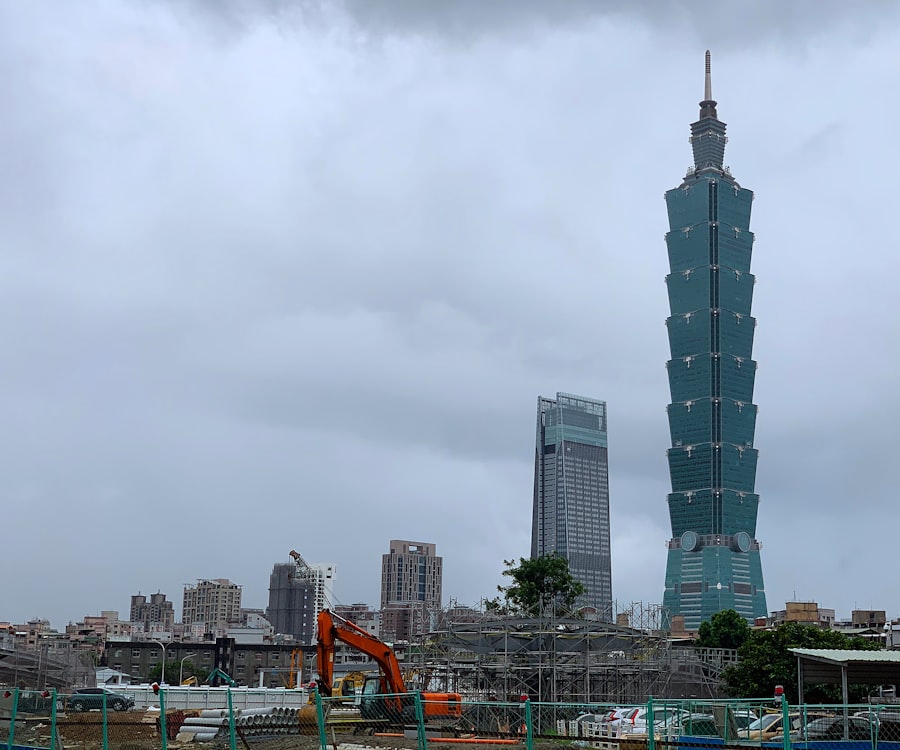
Infrastructure upgrades are critical for supporting urban growth and enhancing connectivity within cities. As populations increase and urban areas expand, the need for efficient transportation systems becomes paramount. Investments in public transit—such as subways, light rail systems, and bus rapid transit—are essential for reducing traffic congestion and promoting sustainable commuting options.
Cities like Toronto have made significant strides in expanding their transit networks to accommodate growing populations while minimizing environmental impact. Moreover, advancements in technology are revolutionizing transportation infrastructure. Smart traffic management systems that utilize real-time data can optimize traffic flow and reduce delays at intersections.
Additionally, the rise of electric vehicles (EVs) has prompted cities to invest in charging infrastructure to support this transition towards greener transportation options. Bike lanes and pedestrian-friendly pathways are also being integrated into urban planning efforts to encourage active transportation modes. By prioritizing infrastructure upgrades that enhance connectivity and accessibility, cities can create more livable environments that cater to the needs of their residents while promoting sustainable growth.
If you’re interested in learning more about upcoming real estate projects in Kolkata, you might find valuable insights and detailed information on Kriya Solutions’ blog. This resource offers a comprehensive overview of the latest trends, developments, and opportunities in the Kolkata real estate market, helping potential investors and homebuyers make informed decisions. Whether you’re looking for luxury apartments, commercial spaces, or affordable housing, their blog provides up-to-date and relevant content tailored to meet the needs of diverse audiences.